

Habitability principle
Making each other feel at home on both sides of the Kármán line


One of the memorable moments in Project Hail Mary is watching the five-legged Eridian alien, Rocky, rolling into the human spaceship in a sphere-like pod that contains his native, ammonia-rich atmosphere. It’s a kind of mobility instrument, something between a bicycle and a pressurized suit, enabling Rocky to survive in the Earth-like atmosphere breathed by the involuntary astronaut Ryland Grace. Being a particularly versatile mechanical engineer, Rocky quickly learns how to customize and adapt the environment originally suited to a completely different type of creature than him, and so as Grace’s ship becomes more and more habitable to Eridian-like life, so the relationship between Rocky and Grace becomes more adorable.
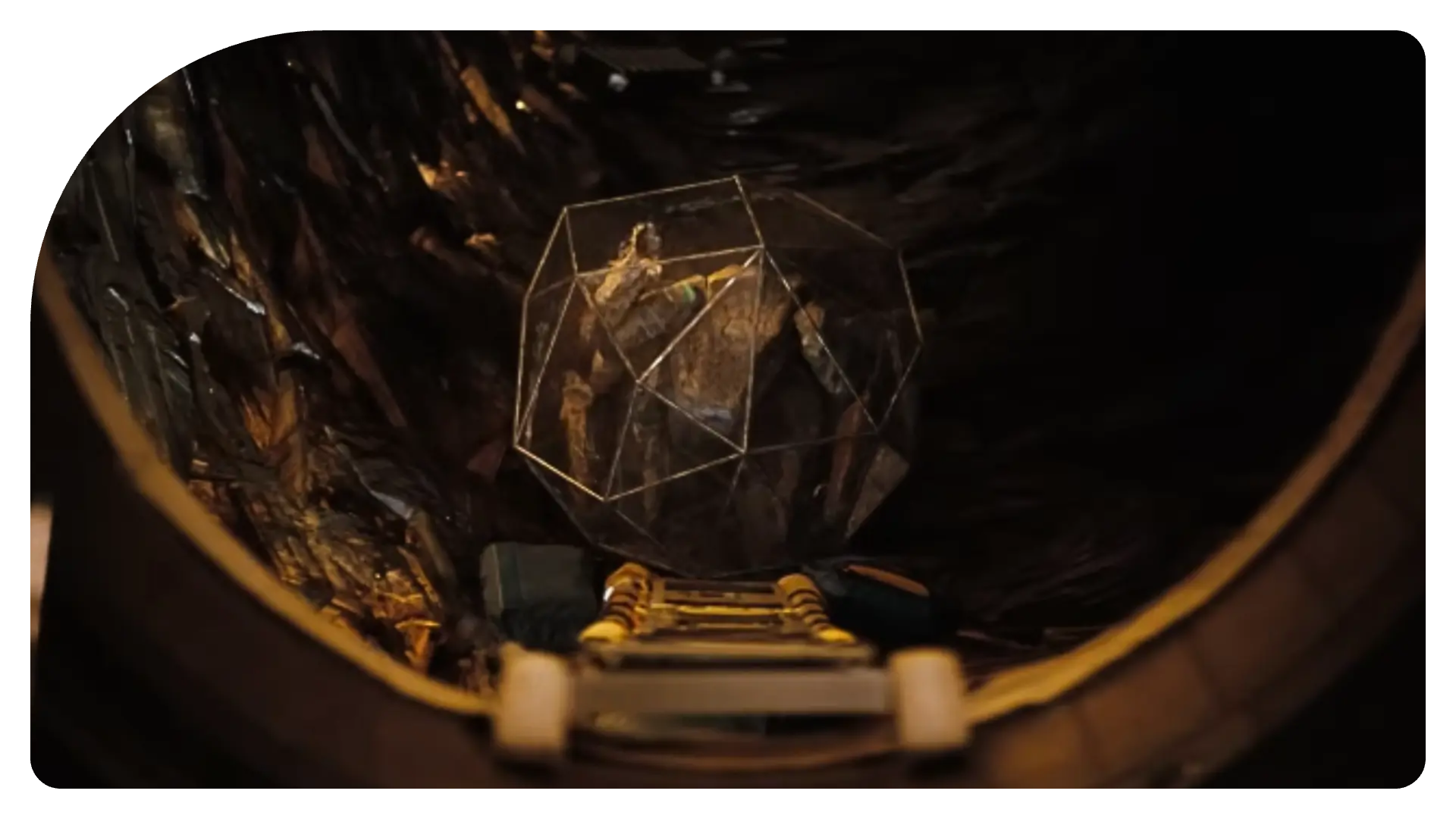
The movie relationship between these two lifeforms makes us wonder to what extent care for one another is grounded in a material base, as when someone wishes to make you “feel at home”. Grace is helping Rocky feel at home in a vessel designed for human habitation. Rocky pays back when he invites Grace to visit his ship, which requires Grace to dress up in a custom-tailored spacesuit that preserves the environmental conditions hospitable to Earthly life in the alien Eridian climate. And then, when Grace ends up on Rocky’s home planet, he gets a whole terrestrial biome reconstructed to suit all his needs: breathing fresh, oxygen-rich air; walking on a beach and watching the waves making turns on the sea; getting his own classroom to teach little Eridians physics 101. Members of two species, each from a very different planet, care for one another by accommodating each other’s needs, making their environments more “co-habitable”.
“Habitability” helps us recognize how ethical relations come to being at the intersection of biology and engineering. In astrobiology, we talk about habitable planets: those with the right conditions to host life. Presumably, a planet that orbits its sun too close will never bootstrap a biosphere, since no organic molecules would survive the heat, and if you are a big fan of water as a necessary condition of life, you would have a hard time on the surface of such a planet, too. In architecture, we talk about habitability as a property of environments conducive to human undertakings. A dimly lit living room with a big cushy sofa may sound to many of us like a particularly habitable environment; a room full of noise and 24/7 artificial light, much less so. The way we design our environments reflects how we care for one another, which explains why habitability becomes a currency in environmental thinking these days—humans should pay the terrestrial biosphere a service by maintaining conditions that allow it to thrive.
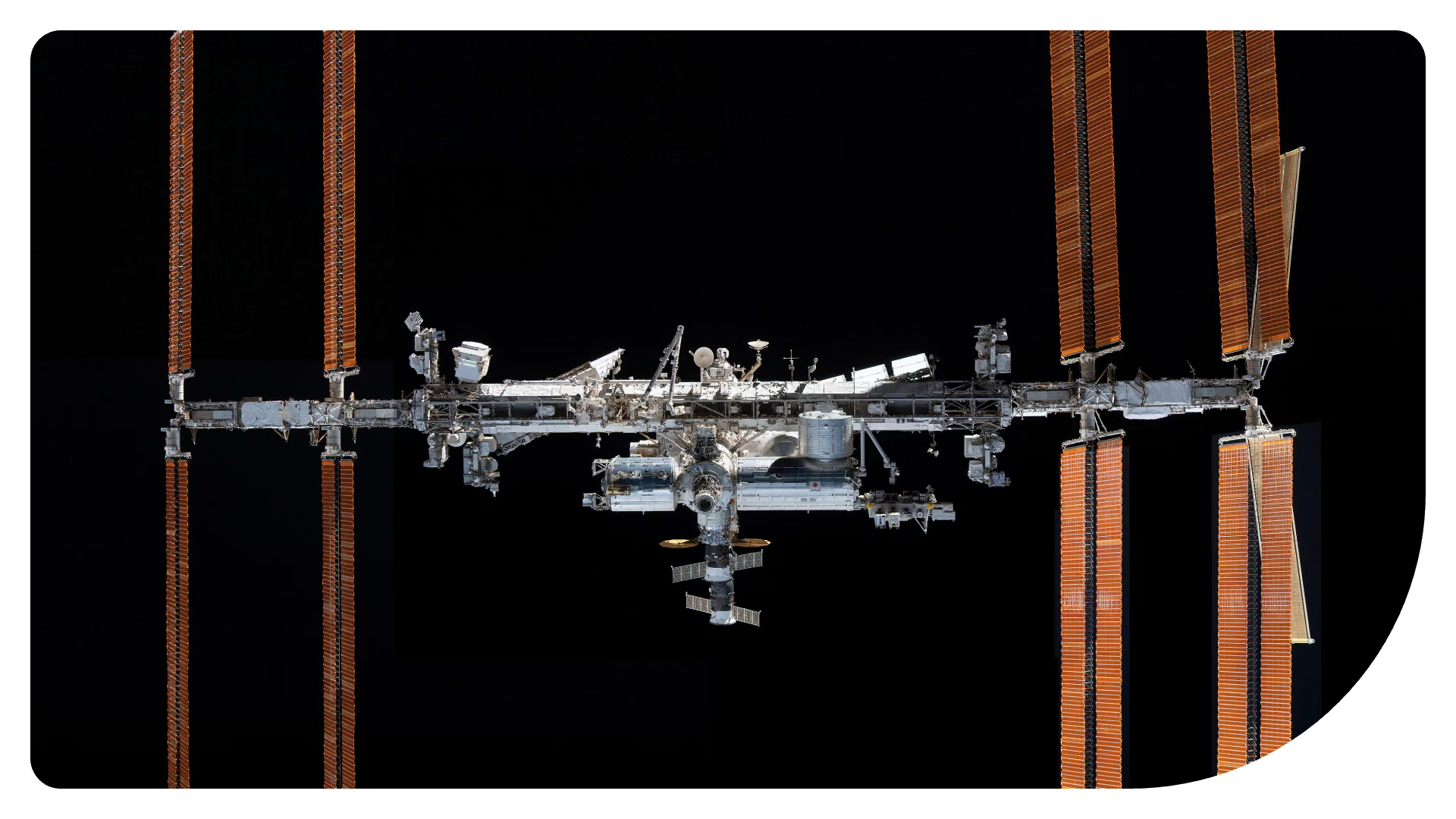
Consider one data point: the average noise level at the ISS is ~82 dB, an equivalent of a vacuum cleaner blasting into your ears all day long. This is a serious habitability issue, one that also makes us more sensitive to the inhumanity of excess noise in our terrestrial habitats. Immunity issues astronauts face during long-term missions present another case in point, demanding strategies that—by extension—can make our bodies more resilient to infectious diseases on Earth. And the list goes on. The assumption is that the more humans visit space, the more likely it is that problems of habitability will transcend questions of engineering conditions for bare survival. Soon, habitability will be about well-being, comfort, and experiences that count. In turn, it will give us a better understanding of how to arrange terrestrial habitats more suited to the flourishing of humans and non-humans alike.
As it expands and enters new contexts, the notion of habitability emerges as a candidate future cornerstone of ethical existence on both sides of the Kármán line. Whether on- or off-world, accommodating the material base of our everyday life so that it serves more than just bare survival is what makes our existence in the universe (and perhaps life as such) worth all the effort.
Excellent essay- among other things, I didn't know that the ISS is so loud; will have to find out why. Entirety coincidentally, I also just published the first of several essays on habitability: https://ranganaut.substack.com/p/the-planetarity-syllabus-habitability?r=1isek&utm_medium=ios